Your Guide to Moving into a Retirement Residence: Checklist, Tips, and More
Moving into a retirement residence involves more than packing boxes and arranging transportation. You’ll need to confirm the residence’s move-in requirements, measure your new living space, decide which belongings to bring, coordinate moving day, and make your new suite comfortable and accessible.
Whether you’re planning your own move or helping a parent or loved one, start early, work from the new residence’s floor plan, and organize the transition one step at a time.
Moving from a long-time family home can also bring mixed emotions. While retirement living may offer greater convenience, social connections, and less household maintenance, leaving familiar surroundings and treasured belongings isn’t always easy.
This step-by-step guide covers everything you need to know about moving into a retirement residence in Ontario, including downsizing, packing, coordinating with residence staff, hiring professional movers, and settling into your new home.
Key Takeaways:
- Plan ahead: Start preparing four to six weeks before moving into a retirement residence, and confirm the building’s move-in requirements, parking arrangements, and elevator access.
- Downsize thoughtfully: Measure your new suite, prioritize essential furniture and meaningful belongings, and donate, sell, gift, or store items you won’t need.
- Pack strategically: Label boxes by destination, protect fragile belongings, and keep medications, important documents, and everyday essentials accessible.
- Coordinate support: Family members and professional movers can help with downsizing, packing, transportation, and setting up the new living space.
- Make the transition comfortable: Prioritize accessibility, arrange familiar belongings, and allow time to adjust to new routines and surroundings.

What Should You Know Before Moving into a Retirement Residence?
Unlike moving into a typical house or apartment, moving into a retirement residence often involves additional building procedures, furniture restrictions, and staff coordination. Before you start packing, contact the residence to understand what your new living arrangements will include and what you need to do before moving day.
Confirm the Retirement Residence’s Move-In Requirements
Every retirement residence has its own policies and procedures. Some require advance notice for moving trucks, designated move-in hours, or elevator reservations.
Ask the residence:
- Move-in dates: Are there specific days or hours when moves are permitted?
- Elevator access: Do you need to reserve an elevator or arrange access to a service elevator?
- Parking and loading: Where can the moving truck park, and are there restrictions on vehicle size?
- Building access: Which entrance should movers use, and are there check-in or security procedures?
- Furniture restrictions: Are there limitations on furniture dimensions, appliances, or other personal belongings?
- Deliveries: Can new furniture arrive separately, and does the residence require advance notice?
- Provided furnishings: Which furniture, appliances, or fixtures are already included in the suite?
Ask whether staff need a list of incoming furniture or advance confirmation of the moving company’s arrival. Keep these instructions in writing and share relevant details with your movers and family members.
Understand What’s Included in Your New Residence
Retirement residences differ in their layouts, amenities, and services.
Some suites have private kitchens or kitchenettes, while others provide meals through communal dining facilities. Furnishings, housekeeping arrangements, and available storage space may also vary. Before deciding what to bring, confirm what’s included and what you’ll need to supply yourself.
For Ontario residents researching retirement living, the
Retirement Homes Regulatory Authority (RHRA)
provides information about licensed retirement homes and residents’ rights. You can also explore the
Government of Ontario’s retirement home information when planning your transition.
Measure Your New Suite Before Choosing Furniture
One of the most important steps when moving into a retirement home is determining what will actually fit. Request a floor plan with room measurements. If possible, visit the suite and measure the available floor space, doorways, hallways, closets, and any narrow entrances.
Measure the furniture you want to bring, including:
- Beds and mattresses
- Dressers and wardrobes
- Sofas and recliners
- Dining tables and chairs
- Desks, bookcases, and cabinets
Remember that furniture needs enough space around it to be used comfortably. For example, a favourite recliner may technically fit against a wall but require additional clearance when fully extended. Similarly, a dresser might fit in the bedroom but prevent a closet door from opening.
Check How Furniture Will Reach Your Suite
When measuring furniture, don’t forget to consider how each piece will reach your new living space. Check dimensions of elevators, doorways, narrow hallways, and any tight corners along the route.
A sofa might fit comfortably inside the suite but be too large to transport through the building without disassembly. Create a simple furniture layout before moving day. This helps you decide what to bring and gives clearer instructions about where larger pieces belong.
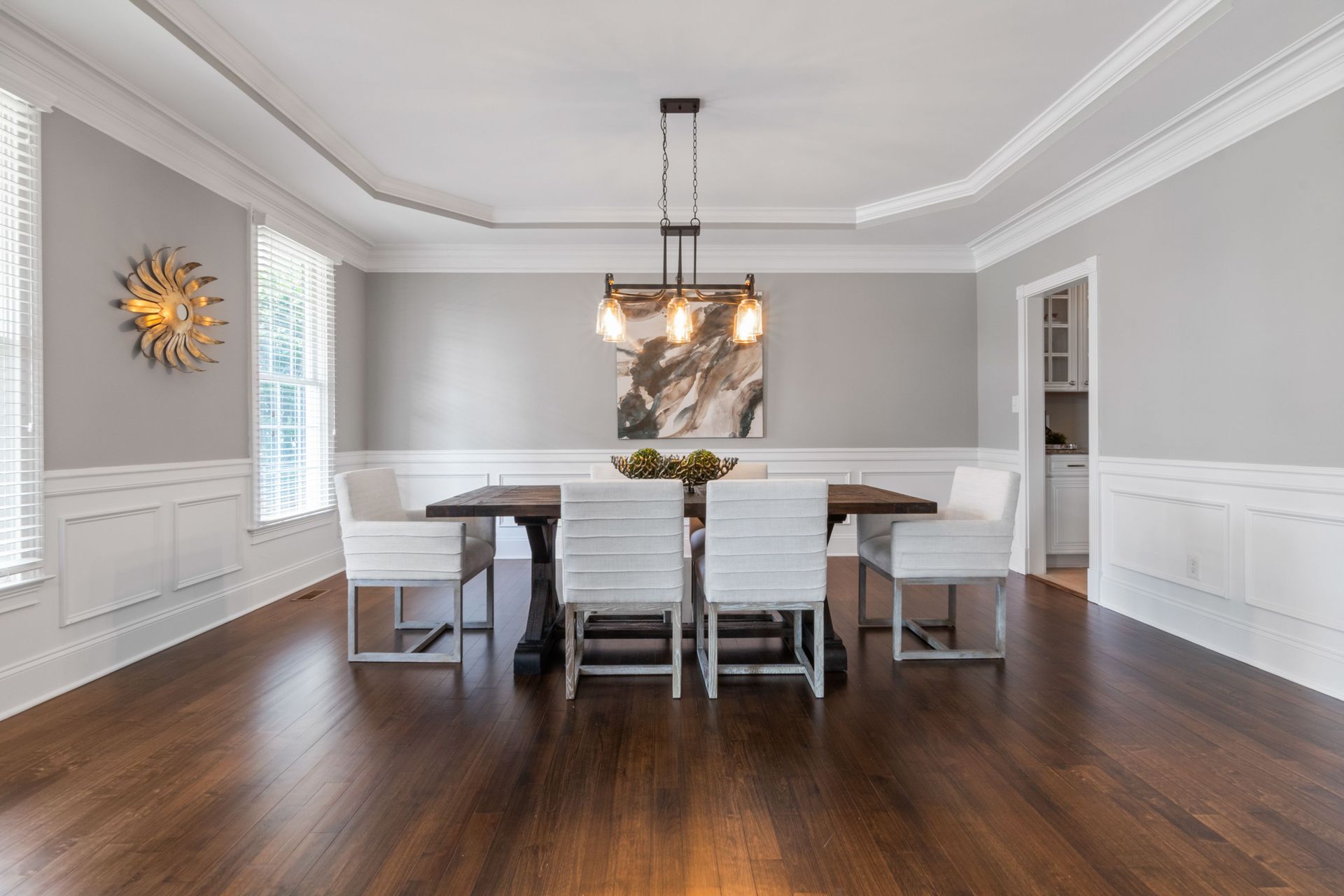
It's important to measure your furniture before moving - it can help you decide what to keep and what to sell or give away
How Do You Downsize Your Home for Retirement Living?
Downsizing your home for retirement living can be one of the most challenging parts of the process, particularly if you’ve lived in the same home for many years.
The goal isn't to eliminate as many belongings as possible. It's to choose the furniture, personal items, and meaningful possessions that will make the new space comfortable and familiar. If you're helping an older parent or loved one who can no longer manage the downsizing process independently, focus on preserving the belongings that support their comfort, routines, and sense of home.
Start Early and Focus on One Area at a Time
Rather than attempting to organize an entire household in a weekend, begin with a manageable space. A bathroom cabinet, linen closet, or spare bedroom can be a good starting point.
Work in short sessions, take breaks, and establish realistic goals. If family members are helping, divide responsibilities so the workload doesn’t fall on one person. Starting with everyday household items can also make it easier to build momentum before sorting more sentimental belongings.
Use the New Floor Plan to Decide What to Keep
When considering how to downsize your home for retirement living, use your new suite’s layout to guide your decisions. Start by identifying the furniture and belongings you’ll use every day. Then determine which additional items can fit without overcrowding the space.
For example, someone moving from a four-bedroom home into a one-bedroom retirement suite probably won’t need multiple bedroom sets, several dining tables, or extensive outdoor equipment.
Similarly, if your residence provides meals, you may need fewer kitchen supplies than you previously used. Prioritize belongings that are practical, comfortable, and personally meaningful.
Sort Belongings into Clear Categories
Use five categories to organize the downsizing process:
- Keep: Essential furniture, frequently used belongings, and meaningful personal items.
- Donate: Gently used clothing, household supplies, and furniture that others can use.
- Sell: Valuable or desirable items you no longer need.
- Gift: Family heirlooms and belongings you would like loved ones to have.
- Store: Items you aren’t ready to part with but cannot accommodate in the new suite.
Pay particular attention to duplicates, such as extra bedding, kitchen utensils, furniture, and seasonal decorations. If you’re selling antiques or collectibles, research their potential value before accepting an offer.
Give Yourself Time to Make Sentimental Decisions
Belongings often represent decades of memories, relationships, and personal achievements. An inherited dining table or collection of family photographs may have significance that isn’t obvious to someone helping with the move.
Allow time to share stories, discuss family keepsakes, and decide which items deserve a place in the new home. If a treasured piece of furniture won’t fit, consider gifting it to a family member or photographing it before passing it along.
For adult children helping a parent downsize, remember that the person moving should remain involved in decisions about their belongings whenever possible. Offer practical suggestions without rushing the process or making assumptions about what matters most.
Consider Storage for Items You’re Unsure About
Not every downsizing decision needs to be permanent. If your new residence has limited storage space, or you’re uncertain about parting with particular belongings, temporary storage may be helpful.
Macho Movers offers
storage solutions for belongings that aren’t immediately needed in your new home. This can be particularly useful when the sale of your previous property and your retirement residence move-in date don’t align.
What Should You Bring When Moving into a Retirement Residence?
Choosing what to bring depends on your suite’s size, the residence’s amenities, and your personal preferences. A useful approach is to prioritize everyday essentials, familiar furniture, and belongings that support your routines.
Essential Furniture and Personal Belongings
Depending on what the residence provides, consider bringing:
- A comfortable bed, mattress, and bedding
- A favourite chair or appropriately sized sofa
- A dresser or bedside table
- A small dining table or desk, if space allows
- Seasonal clothing and comfortable footwear
- Toiletries and personal care supplies
- Glasses, hearing aids, and related accessories
- Frequently used electronics and chargers
- Books, hobby supplies, and other everyday items
Choose furniture that’s comfortable to use and easy to navigate around. Avoid bringing unnecessary pieces simply because you’ve always had them. A smaller number of well-chosen items can make the suite feel more spacious and functional.
Familiar Items That Make the Space Feel Like Home
Moving into a retirement residence doesn’t mean leaving your personality behind. Family photographs, favourite artwork, a familiar blanket, or treasured decorations can make the new space feel welcoming.
Consider bringing items associated with regular routines, such as a favourite reading lamp, knitting supplies, or a collection of books. These familiar belongings can provide continuity during the transition.
What Should You Leave Behind?
Before packing everything, identify belongings that won’t be practical or permitted in the new residence.
This may include duplicate furniture, unnecessary kitchen equipment, oversized furnishings, outdoor maintenance tools, or appliances restricted by building policies.
Use the suite’s dimensions and available amenities to guide your decisions. Keep medications, identification, important documents, and other essentials separate from belongings being packed for transportation.
Check Before Bringing Appliances or Large Items
Before packing appliances or specialty furniture, confirm the residence’s policies. Ask about items such as kettles, coffeemakers, microwaves, additional refrigerators, area rugs, wall-mounted televisions, and large shelving units.
Even when an item fits physically, it may not be permitted under the residence's safety or building rules.
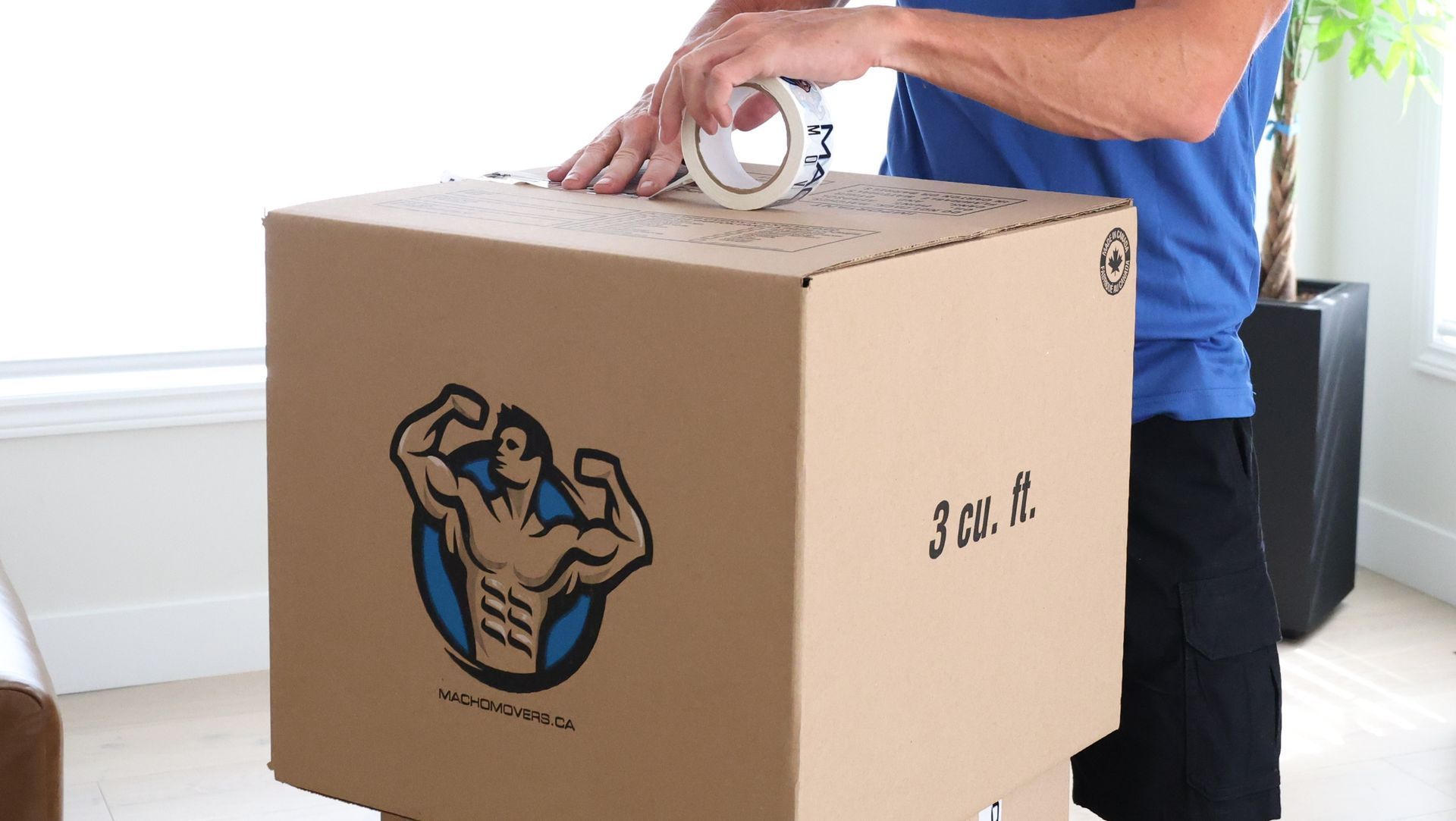
Packing familiar items can help your new space feel like home
How Should You Pack for a Retirement Residence Move?
Organized packing can make moving day more manageable and help you find important belongings when you arrive. The key is to label everything clearly, protect fragile items, and keep essential supplies separate from the main shipment.
Pack by Room and Priority
Label boxes according to where they belong in the new suite, rather than where they were in your previous home.
For example:
- Bedroom - Bedding
- Bathroom - Toiletries
- Living Room - Books
- Personal Items - Photographs
Mark fragile boxes clearly and identify anything that should be unpacked first. If several family members are helping, consider keeping a simple inventory of important belongings so everyone knows what’s been packed.
Prepare an Essentials Bag
Keep a bag of important items with you rather than loading it onto the moving truck.
Include:
- Prescription medications and necessary medical supplies
- Identification and important documents
- Retirement residence paperwork
- Glasses, hearing aids, and mobility-related essentials
- Phone, charger, and emergency contact information
- Comfortable clothing and toiletries
- Water, snacks, and supplies needed for the first evening
If you or your loved one needs assistance with medication management, confirm the arrangements with the residence or appropriate healthcare professionals before moving day.
Consider Professional Packing Services
Packing a large household can be physically demanding, especially when handling fragile belongings or preparing heavy furniture. Professional packing assistance may be particularly valuable for seniors with mobility limitations or families coordinating a move from another city.
Macho Movers offers
packing and unpacking services to help prepare belongings for transportation and organize them at their destination. You can arrange assistance with the parts of the move that are most difficult to manage independently.
How Can You Help an Elderly Parent Prepare for a Move?
Helping a parent move into a retirement residence involves balancing practical responsibilities with respect for their preferences and independence. A clear plan can help family members work together without overwhelming the person moving.
Divide Responsibilities Among Family Members
Decide who will coordinate each part of the move. One person might communicate with the retirement residence, while another arranges transportation, organizes paperwork, or helps sort belongings. A shared checklist can help prevent duplicated work and ensure important tasks aren’t forgotten. Choose one primary contact for the moving company so instructions remain consistent.
If your parent or loved one has limited mobility, cognitive difficulties, or other health concerns, they may be unable to participate in much of the physical preparation. In these situations, family members or trusted caregivers may need to take responsibility for sorting belongings, arranging services, completing paperwork, and coordinating the move.
Whenever possible, involve your loved one in decisions in ways that are comfortable and appropriate for their abilities.
Plan Around Mobility and Health Needs
Moving day can involve considerable walking, standing, and disruption to normal routines. Arrange comfortable seating, regular breaks, and easy access to washrooms, medication, food, and water.
If your loved one uses a walker or wheelchair, make sure pathways remain accessible throughout the move. For more complex health needs, coordinate with the residence staff and healthcare providers to ensure appropriate support is available.
Respect the Emotional Side of the Move
You or your loved one may experience feelings of sadness, uncertainty, or grief as they prepare to move from their long-time home, even if the move is welcome.
Although leaving a familiar home can be difficult, thoughtful planning and emotional support can help ease the transition. Allow time for goodbyes and acknowledge all the memories associated with the previous home. Encourage your loved one to participate in decisions surrounding their furniture, decorations, and daily routine.
Maintaining a sense of independence and control can make the transition feel more comfortable.

Whenever possible, involve your loved one in decisions in ways that are comfortable and appropriate for their abilities
What Should You Do on Retirement Residence Moving Day?
Moving day can become overwhelming without a clear plan, especially when coordinating with retirement residence staff, family members, and professional movers. Clear communication, accessible pathways, and an organized unloading process can help make the transition easier for everyone involved.
Confirm Access with Residence Staff
Before the moving truck arrives, confirm that the residence is expecting the move. Review parking arrangements, elevator reservations, designated entrances, and any building-specific requirements. Share these details with your movers so they know where to unload and how to access the suite.
Have One Person Coordinate the Move
Designate one family member or trusted contact to communicate with movers and residence staff. This person can answer questions, confirm furniture placement, and help keep the move organized. Whenever possible, avoid requiring the senior to supervise heavy lifting or remain standing throughout the day.
Prioritize Safety and Accessibility
Keep hallways, doorways, and frequently accessed pathways clear of boxes. Avoid placing belongings where they could create tripping hazards or interfere with mobility aids. If the move is particularly busy, arrange a comfortable place where the person moving can rest while furniture is being unloaded.
Arrange Essential Furniture First
Ask movers to position the bed, comfortable seating, and other large furniture before unpacking smaller items. Check that drawers, doors, and closets open properly and that there is enough room to move around.
If furniture needs to be taken apart to fit through doorways or hallways, Macho Movers offers
furniture disassembly and reassembly services as part of its furniture assembly capabilities. Confirm that important boxes have arrived and essential furniture is safely positioned before the moving team leaves.
How Do You Settle into a Retirement Residence After Moving?
Settling into a retirement residence takes time. The first few days should focus on comfort, accessibility, and establishing familiar routines.
Set Up the Bedroom and Bathroom First
Start with the areas you’ll use immediately. Make the bed, organize toiletries, and place clothing and personal supplies within easy reach. Keep frequently used items at accessible heights and avoid leaving unpacked boxes in walkways.
Make the New Space Feel Familiar
Arrange favourite photographs, artwork, and decorations early. A familiar chair, blanket, or reading lamp can help the new suite feel like home. You don’t need to finish unpacking everything immediately. Focus on creating a comfortable environment before tackling less essential belongings.
Learn the Residence’s Daily Routines
During the first week, familiarize yourself with the residence’s daily routines and available services. If you’re helping a parent or loved one who needs additional support, take the lead in gathering this information, coordinating with staff, and making sure their needs and preferences are understood.
Confirm:
- Meal schedules and dining arrangements
- How to contact residence staff
- Emergency procedures and available assistance
- Laundry and housekeeping arrangements
- Visitor policies and available amenities
- Transportation options and activity schedules
Make sure emergency contact information and any necessary administrative details are up to date.
Stay Connected with Family and Friends
Moving can temporarily disrupt familiar social routines. Regular visits, phone calls, and video chats can help maintain important relationships. Encourage participation in residence activities at a comfortable pace, without pressure to adjust immediately. Familiar routines and ongoing family connections can make the transition easier over time.
Retirement Residence Moving Checklist: A Step-by-Step Timeline
This checklist provides suggested planning windows for moving into a retirement residence. Adjust the timeline to suit your circumstances, the residence’s requirements, and your moving date.
4-6 Weeks Before Moving
- Confirm the retirement residence’s move-in requirements.
- Request a floor plan and measure the new suite.
- Check furniture, appliance, and delivery restrictions.
- Confirm elevator, parking, and loading arrangements.
- Decide which furniture will fit comfortably.
- Begin downsizing and sorting belongings.
- Request quotes and book professional movers.
- Assign responsibilities among family members.
2-3 Weeks Before Moving
- Continue downsizing one room at a time.
- Arrange donations, sales, and family pick-ups.
- Research storage options for remaining belongings.
- Gather packing materials.
- Begin packing non-essential items.
- Label boxes according to their destination.
- Confirm any additional assistance needed on moving day.
1 Week Before Moving
- Confirm arrangements with the residence and movers.
- Review elevator reservations and parking instructions.
- Finish packing most belongings.
- Prepare medication, documents, and essential supplies.
- Confirm who will coordinate moving day.
- Arrange utilities, address changes, and administrative updates.
- Review furniture placement and unpacking priorities.
Remember to update your address with banks, insurance providers, pharmacies, healthcare professionals, and relevant government services, such as ServiceOntario and Service Canada. If needed, arrange mail forwarding through
Canada Post and confirm whether prescriptions need to be transferred to a new pharmacy.
On Moving Day
- Keep medications and important documents accessible.
- Confirm loading access and communicate with residence staff.
- Ensure pathways remain clear and accessible.
- Coordinate unloading and direct furniture placement.
- Set up the bed, bathroom, and essential living areas.
- Check that important belongings have arrived.
- Allow time for rest and a comfortable first evening.
After Moving
- Unpack remaining belongings at a manageable pace.
- Organize clothing and frequently used supplies.
- Display familiar photographs and decorations.
- Complete outstanding address changes.
- Confirm emergency contacts and residence procedures.
- Explore available amenities and activities.
- Maintain familiar routines and family connections.
- Arrange storage or removal of belongings left at the previous home.

Professional movers can help your upcoming move go smoothly
When Should You Hire Professional Movers for a Retirement Residence Move?
Hiring professional movers can be particularly helpful when downsizing from a large home, transporting heavy furniture, or coordinating a move with family members who live elsewhere.
Senior moving often involves additional planning, particularly when families are coordinating furniture, accessibility needs, and residence-specific move-in requirements.
When comparing moving companies for seniors, look for clear communication, appropriate moving equipment, experience handling household belongings, and services that match your needs. Macho Movers offers
residential moving services throughout Guelph, Kitchener-Waterloo, Cambridge, Sudbury, and other Ontario communities.
For seniors and families planning a retirement residence move, our team can assist with packing, loading, transportation, unloading, and furniture disassembly and reassembly, depending on the services booked.
Professional moving assistance can reduce the physical demands of relocation while allowing seniors and their families to focus on the personal and practical aspects of the transition.
Frequently Asked Questions About Moving into a Retirement Residence
What Should You Bring When Moving into a Retirement Residence?
Bring essential furniture, clothing, toiletries, medications, important documents, and frequently used personal belongings. Prioritize comfortable furnishings and meaningful items that will make the new space feel familiar. Always check the residence’s furniture and appliance restrictions before packing.
How Do You Downsize Before Moving into a Retirement Home?
Start early and work your way through one area at a time. Use the new suite’s floor plan to decide which furniture and belongings will fit. Sort items into categories for keeping, donating, selling, gifting, or storing. Allow extra time for sentimental decisions and involve family members where appropriate.
How Much Does It Cost to Move into a Retirement Residence?
There are two separate expenses to consider: the cost of hiring a moving company and the cost of living in the retirement residence. Moving expenses depend on the distance, volume of belongings, accessibility requirements, and services booked. Retirement residence fees vary depending on the location, suite type, amenities, and level of care or support provided.
Request a personalized moving quote and a detailed breakdown of residence fees to understand your overall budget.
How Can You Help an Elderly Loved One Prepare for a Move?
Start by discussing your loved one's preferences, concerns, and support needs. Help create a moving timeline, measure their new living space, sort belongings, and communicate with retirement residence staff.
If they're unable to manage these responsibilities independently, you may need to organize the entire move on their behalf, including hiring movers, packing belongings, and arranging their new suite.
Whenever possible, respect their preferences and involve them in decisions about their belongings and living space.
Do Retirement Residences Allow Professional Movers?
Many retirement residences allow professional moving companies, but individual policies vary. Some require advance notice, elevator reservations, designated loading areas, or specific moving hours. Contact the residence before booking and share its requirements with your moving company.
How Far in Advance Should You Book Movers?
Book movers as soon as your moving date is confirmed, particularly if you’re moving during a busy period or need additional packing and furniture assembly services. Starting preparations four to six weeks in advance can provide useful flexibility, although availability and individual circumstances may vary.
Moving into a Retirement Residence? Macho Movers Can Help
Moving into a retirement residence is an important life transition, and having the right support can make the process more manageable.
Since 2016, Macho Movers has helped individuals and families relocate throughout Ontario. Our professional team offers residential moving, packing and unpacking, storage, and furniture assembly services to support different moving needs.
Whether you’re downsizing your own home or helping a loved one, we’re here to assist with the physical and logistical aspects of the move. Ready to get started?
Contact Macho Movers
today to request a personalized quote and discuss your retirement residence needs.
Share This Blog