What Are The Best Ways To Pack a Box?
What Are The Best Ways To Pack a Box?
The best ways to pack a box depend on what you’re putting inside, but a few basic rules apply to almost every moving box. Choose a sturdy box that is appropriately sized for its contents, protect fragile belongings individually, place heavier items toward the bottom, fill empty spaces to prevent shifting, seal the box securely, and label it clearly.
Of course, packing a box of books is very different from packing your grandmother’s china. Using the same technique for everything in your home can leave you with boxes that are unnecessarily heavy, difficult to unpack, or more likely to contain damaged belongings when you arrive.
Not everything needs to go in a traditional moving box, either. Laundry baskets, suitcases, reusable bins, and other containers you already own can be useful for certain belongings, particularly things you want easy access to during the move.
Whether you’re packing an apartment or an entire family home, this guide covers how to pack moving boxes properly, including specific techniques for dishes, clothing, books, toiletries, food, electronics, documents, artwork, and other common household belongings.
What Is the Best Way to Pack a Box for Moving?
The best way to pack a moving box is to match the box and packing materials to its contents, distribute the weight carefully, and prevent items from moving around during transportation. A properly packed box should be sturdy, manageable to lift, securely closed, and clearly labelled.
Choose the Right Size of Box
Bigger isn’t always better. While an enormous box might seem like an efficient way to clear an entire bookshelf at once, someone eventually has to lift it. As a general rule, use smaller, sturdy boxes for dense and heavy belongings, such as books, canned goods, and some kitchen items. Save larger boxes for lightweight, bulky belongings, such as bedding, pillows, and clothing.
Specialty boxes can also make certain items easier to pack and protect. Wardrobe boxes, picture boxes, and TV boxes, for example, are designed around belongings that can be awkward to fit safely into ordinary moving boxes.
Prepare the Bottom of the Box
Before adding anything, check that the box is dry, undamaged, and strong enough for its contents. Close the bottom properly, and reinforce it with packing tape when necessary, particularly when packing heavier belongings.
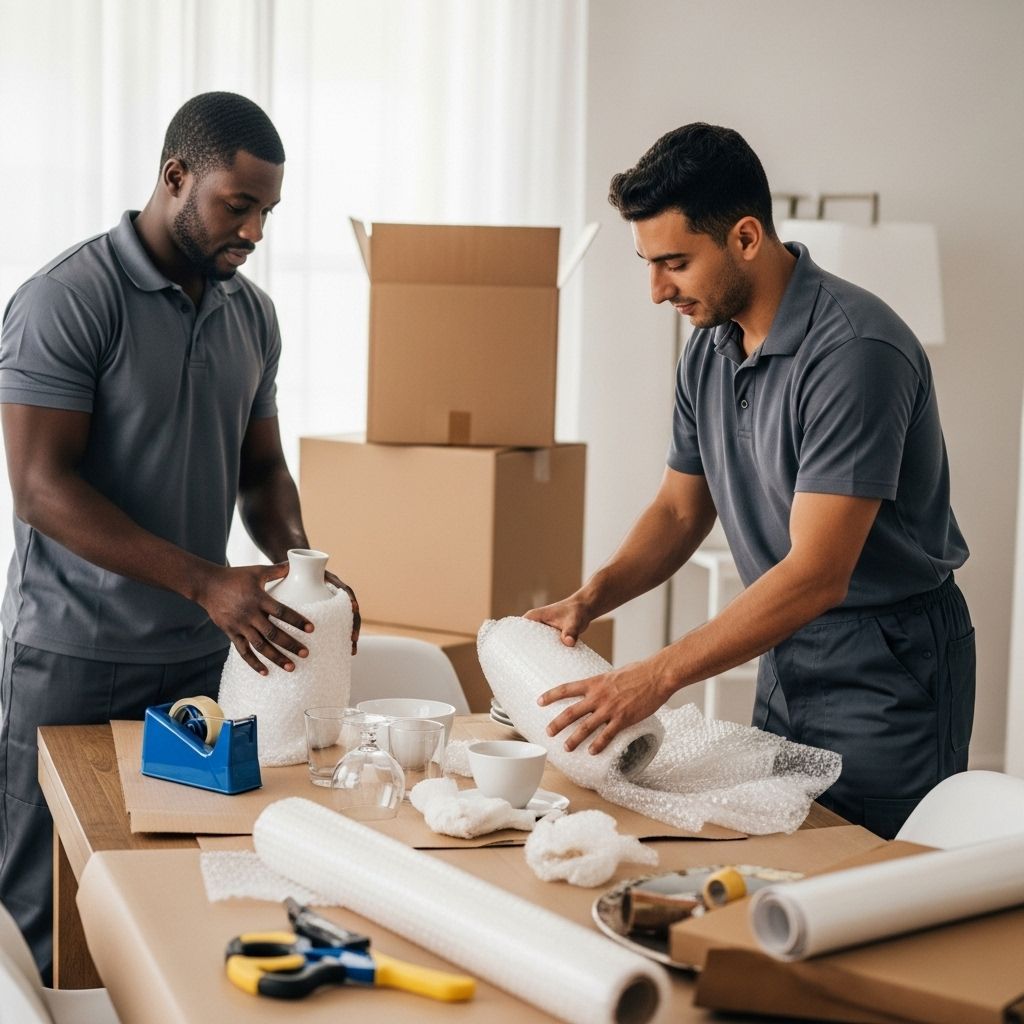
For fragile items, add an appropriate cushioning layer before you begin. Packing paper, bubble wrap, and other suitable protective material can help absorb movement and keep breakable belongings away from the hard bottom of the box.
Put Heavier Items on the Bottom
Whenever practical, place heavier items toward the bottom and lighter items above them. This creates a more stable box and prevents heavier belongings from putting unnecessary pressure on lighter or more delicate ones. Try to distribute weight relatively evenly, too. A box that is dramatically heavier on one side can be awkward to carry and more likely to tip.
Fill Empty Spaces
One of the most important packing tips for moving is to prevent the contents of the box from shifting during transportation. Once everything is inside, check for gaps. Use packing paper, bubble wrap, or another appropriate cushioning material to fill empty spaces without overstuffing the box. Ideally, the contents should stay securely in place when the box is moved.
Seal and Label the Box
The top flaps should close normally without bulging or needing to be forced down. Seal the box securely with packing tape. Then, label it with its destination room and a brief description of the contents. Add handling instructions such as “FRAGILE” or “THIS SIDE UP” when appropriate. Clear labels make unloading and unpacking much easier. For more ideas, see Macho Movers’ guide to properly labelling moving boxes.
What Packing Supplies Do You Need for Moving?
Most household moves require sturdy boxes, strong packing tape, labels or markers, and protective materials appropriate for the belongings being packed. Specialty boxes and protective covers can also be useful for items that don’t fit safely into ordinary boxes.
Depending on what you’re packing, useful supplies can include:
- Moving boxes in several sizes
- Packing tape
- Packing paper
- Bubble wrap or other protective cushioning
- Permanent markers or labels
- Protective covers or plastic wrap for larger belongings
- Wardrobe boxes for hanging clothes
- Picture boxes for artwork and mirrors
- TV boxes for larger screens
You can also make use of containers you already have. Suitcases are useful for clothing and other appropriate belongings, while laundry baskets can make convenient moving-day containers for items you don’t necessarily want sealed inside a box. Try to match your packing materials to the item rather than wrapping everything the same way.
Macho Movers’
packing supplies and services include standard moving boxes as well as wardrobe boxes, picture boxes, TV boxes, packing paper, bubble wrap, plastic moving wrap, and protective covers. Once you have the basics, the most important question becomes what you’re actually putting inside each box.
What Is the Best Way to Pack Plates, Glasses, and Fragile Kitchenware?
The best way to pack fragile kitchenware is to wrap pieces individually, prevent them from touching one another, and fill empty spaces so nothing can shift inside the box. Plates, glasses, mugs, and other breakables may require slightly different techniques. If there is one box you don’t want to hear clinking every time you pick it up, it’s the one containing the dishes!
How Should You Pack Plates?
Wrap plates individually using packing paper or another suitable protective material. Instead of stacking plates on top of one another, pack them securely on their edges, as if you were packing records. This can reduce the amount of pressure across the broad centre of each plate.
Add cushioning beneath and around the plates, and fill gaps so the group cannot shift freely. Avoid overloading the box simply because there is still room at the top.
How Should You Pack Glasses and Mugs?
Wrap glasses and mugs individually, paying extra attention to vulnerable areas such as handles and stems. Place heavier, sturdier pieces toward the bottom of the box and the lighter glassware above them.
Avoid placing unprotected glass directly against another piece of glass. Fill empty spaces carefully so the contents remain secure without being packed under excessive pressure.
For more detailed tips, Macho Movers has a
guide to packing fragile items for a move.
What Is the Best Way to Pack Clothing and Bedding?
Clothing and bedding can generally be packed in larger, clean boxes because they are lightweight and relatively difficult to damage. Make sure everything is completely dry before packing, and use wardrobe boxes for clothing you want to keep hanging.
Suitcases can also pull double duty during a move. Rather than transporting them empty, fill them with clothing or other suitable belongings. Clean towels and linens can also provide extra cushioning around sturdy, non-breakable items or fill empty spaces in appropriate boxes.
Most importantly, keep enough clothing, bedding, and towels outside your moving boxes for your first few days in your new home. After a long moving day, you do not want to discover that your clean pyjamas and fitted sheet are somewhere inside one of 37 identical boxes.
What Is the Best Way to Pack Books?
The best way to pack books is in small, sturdy boxes that remain manageable to lift. Pack books flat or upright where appropriate, protect valuable copies, and avoid overloading a box just because there is still space available.
Books are easy to underestimate because they don’t look particularly heavy one at a time. Put 40 of them together, however, and you’ve created a box nobody wants to carry.
Avoid positioning books at awkward angles that could bend covers or spines. Fill remaining gaps to prevent movement without adding unnecessary weight. If you have valuable, antique, or sentimental books, consider wrapping them individually and taking additional precautions to protect them from moisture.
What Is the Best Way to Pack Toiletries, Bathroom Items, and Cleaning Supplies?
When packing toiletries and cleaning supplies, make sure containers are securely closed, keep liquids upright when possible, and use secondary bags or containers to guard against leaks. Keep medications and essential personal items with you rather than burying them in a moving box.
Moving is also an excellent opportunity to get rid of expired, empty, or unwanted products. For everything you’re keeping, check bottles for loose caps or damage before packing them.
Because you’ll probably still need cleaning supplies after most of your home is packed, consider keeping everyday essentials together in a laundry basket or another easy-to-carry container. You can use them while cleaning your old home and have them readily available for a quick clean at your new place.
Some household products may be flammable, corrosive, pressurized, or otherwise hazardous. Check product labels carefully, and confirm transportation requirements with your mover before packing anything you’re unsure about. For more information, see Health Canada’s household chemical safety guidance.
What Is the Best Way to Pack Pantry Food?
Pack dry, non-perishable food in small or medium boxes, securely close opened packages, protect glass containers, and keep the total weight manageable. Before packing your pantry, decide whether everything is actually worth moving.
Discard expired products, and consider donating unopened, non-perishable food you don’t want to take with you where local organizations accept it. Perishable and refrigerated foods require additional planning, particularly if you’re moving a significant distance.
- For dry pantry goods, make sure packages are securely closed. Consider placing opened or spill-prone products inside secondary bags.
- Treat glass bottles and jars like other fragile items: wrap them individually, provide cushioning, and prevent them from knocking together.
- Canned goods are sturdy but surprisingly heavy when combined, so use smaller boxes and avoid overloading them.
There is also no need to seal every single pantry item away. Think about what your household will realistically need on moving day and the first morning in your new home.
A laundry basket or reusable bin can be handy for a small selection of first-day pantry essentials you want to keep accessible. Depending on your household, this could mean coffee or tea, cereal, snacks, bread, paper plates, or a few other basics. Instead of digging through a stack of boxes because someone wants breakfast, you can carry the basket into the kitchen and know exactly where those essentials are.
If you’re planning a long-distance move, think carefully about whether transporting inexpensive pantry staples is worth the weight and space. Starting fresh with a $3 bag of flour may make more sense than hauling it hundreds of kilometres.
For more information about safely handling and storing food, review the
Government of Canada’s food safety guidance.
What Is the Best Way to Pack Electronics?
Pack electronics in their original packaging when it’s still available and suitable, or use sturdy boxes with enough protective material to prevent movement. Label cords and accessories, protect screens from pressure and impact, and back up important data before moving computers or other devices.
Before disconnecting a complicated setup, take a quick photo of the cables and connections. Label cords, adapters, remotes, and accessories, and keep components for the same device together.
If the original packaging is long gone, choose a box that provides room for adequate cushioning without leaving excessive empty space. Wrap the device appropriately, protect vulnerable screens, and fill gaps so the electronics cannot slide around inside the box.
Macho Movers also offers TV boxes for larger screens.
Before moving computers or other devices containing important files,
back up anything you cannot easily replace. This is a simple precaution that can make an enormous difference if a device is damaged, lost, or otherwise compromised during a move.
What Is the Best Way to Pack Important Documents and Files?
Keep irreplaceable and sensitive documents organized, protected, and accessible throughout your move. Important identification, legal paperwork, financial documents, and records you may need immediately should generally remain with you rather than disappearing into the moving truck.
Sort paperwork before you move, securely dispose of documents you no longer need, and organize the records you’re keeping. Clearly labelled file boxes or folders can help prevent important paperwork from becoming mixed with ordinary household belongings.
Documents you may want to keep accessible include:
- Passports and other identification
- Birth and marriage certificates
- Financial and legal documents
- Property, lease, or moving papers
- Important medical information
- School or employment records
- Insurance documents
A box can be replaced. Your passport is considerably more annoying.
What Is the Best Way to Pack Artwork, Mirrors, and Décor?
Artwork, mirrors, and framed pieces should be individually protected using appropriately sized boxes and packing materials, with particular attention paid to glass, corners, and delicate surfaces. Picture boxes can be useful for appropriately sized framed pieces, and Macho Movers includes them among our available packing supplies.
Avoid placing loose objects directly against glass. Small decorative pieces should also be individually protected and packed so they cannot collide during transportation.
If you own something particularly valuable, sentimental, antique, or unusually shaped, discuss it with your movers before moving day rather than assuming it can be packed like an ordinary household item.
What Should You Keep Accessible on Moving Day?
Not everything should disappear into a taped cardboard box.
Set aside things you expect to use during the final hours in your old home, during the move itself, and your first night or morning at the new place. Depending on your household, that might include:
- Medications
- Important documents
- Phone chargers
- Basic toiletries
- A change of clothes (or two)
- Toilet paper and paper towels
- Garbage bags
- Basic cleaning supplies
- Snacks and drinks
- Coffee or tea supplies
- Basic dishes (or better yet, disposable alternatives)
- Pet supplies
- Children’s immediate essentials
- Clean sets of bedding and towels
Instead of one enormous “OPEN FIRST” box containing everything, consider separating these belongings according to where you’ll use them.
For example, put cleaning supplies in a laundry basket, pantry essentials in another basket or reusable bin, toiletries in an overnight bag, and important documents and medications in a bag that stays with you.
You’ll spend less time hunting through boxes, and each container can go directly to the room where it belongs.
What Are the Most Common Packing Mistakes?
The most common packing mistakes include overloading boxes, using damaged boxes, leaving too much empty space, failing to protect fragile belongings, and forgetting to label what you pack.
Other mistakes to watch for include:
- Putting heavy belongings on top of fragile ones
- Packing liquids without checking lids and containers
- Mixing unrelated belongings from several rooms in one box
- Packing medications, documents, chargers, toiletries, and other immediate necessities too early
- Using the wrong size of box for heavy or bulky belongings
- Waiting until the last minute to begin packing
One of the easiest mistakes to make is packing something you still need. Before sealing the last boxes, ask yourself what you will need to clean the old home, get through moving day, and comfortably spend your first night at the new one.
The items you answer with should probably travel separately on moving day.
Should You Pack Your Own Boxes or Hire Professional Movers?
Packing your own boxes can save money and give you complete control over organization, while professional packing services can save considerable time and effort. The better option depends on your budget, schedule, belongings, and the size and complexity of your move.
What Are the Pros and Cons of Packing Yourself?
Packing yourself gives you complete control over how your belongings are sorted and organized. It can reduce the amount you spend on professional services and provide a natural opportunity to declutter as you handle everything on your own.
The biggest drawback is time.
Packing an entire household properly involves much more than putting things in boxes. You need to sort belongings, source materials, protect fragile items, organize boxes, label everything, and still handle the other tasks involved in preparing for a move.
DIY packing may work well when you:
- Have plenty of time before moving day
- Have a relatively small amount to move
- Want to personally sort and declutter everything
- Feel comfortable packing fragile belongings
- Want to minimize spending on additional moving services
What Are the Pros and Cons of Professional Packing Services?
Professional packing services reduce the amount of time and physical work you need to devote to preparing your belongings. They can be particularly useful for larger households, busy families, fragile belongings, long-distance relocations, or moves happening on a tight schedule.
The trade-off is the additional cost, and some people prefer having complete personal control over how their belongings are organized.
Macho Movers’ professional packing and unpacking services include full-service packing and unpacking options, along with packing materials suited to different types of belongings.
If you’re weighing your options, Macho Movers’
DIY vs. professional packing services guide explores the advantages and disadvantages in more detail.
Looking for Packing and Moving Help? Trust Macho Movers!
Learning the best ways to pack a box can help protect your belongings, keep moving day organized, and simplify the unpacking process. The right boxes, packing materials, and techniques can make a noticeable difference whether you’re moving across town or much farther away.
A little strategy helps, too. Keeping moving-day necessities accessible, making use of containers you already own, and packing according to how and when you’ll need your belongings can make settling into your new space considerably easier.
But if packing an entire home one box at a time isn’t how you want to spend the weeks before you move, you don’t have to do it alone.
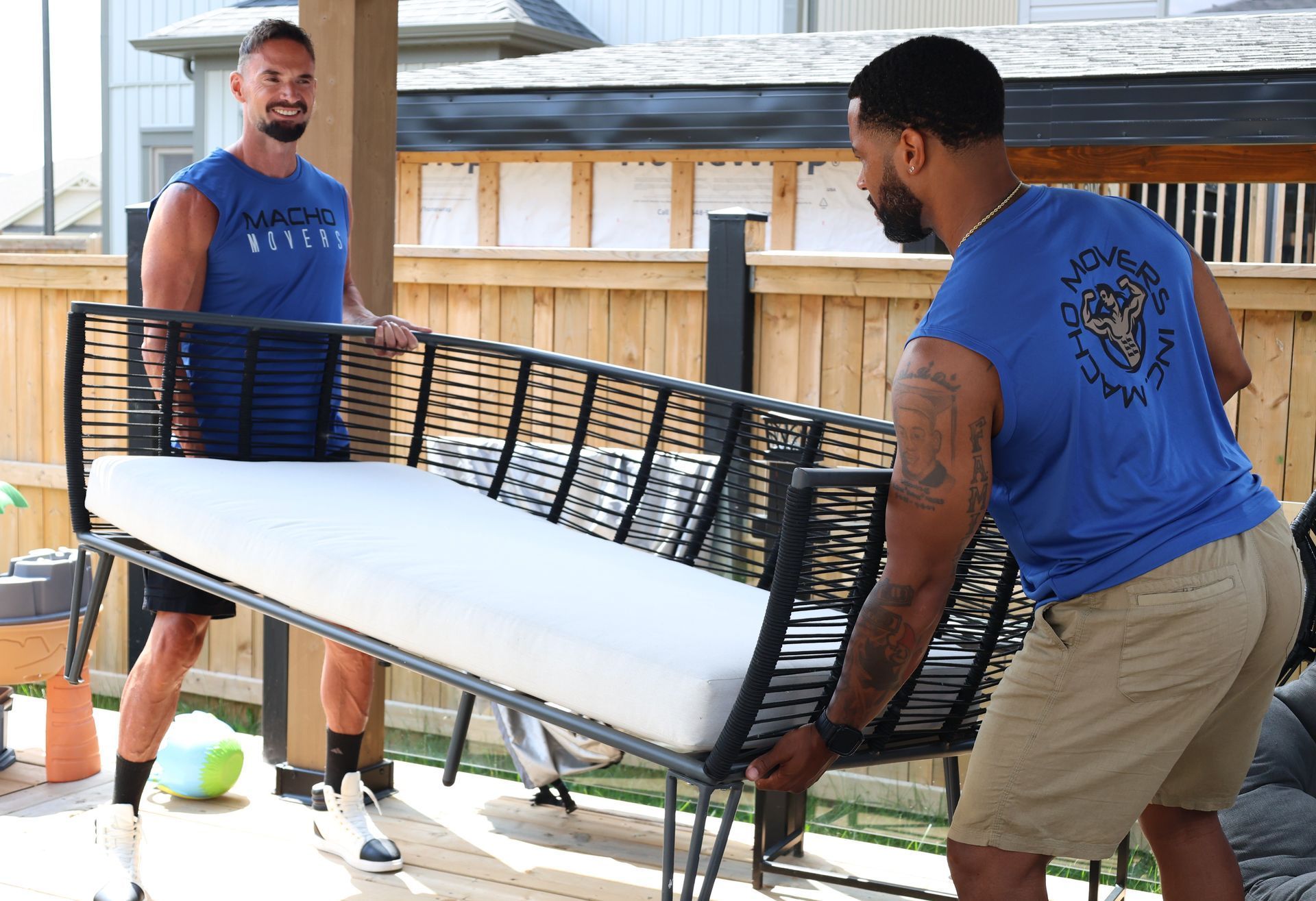
Founded in 2016, Macho Movers offers packing and unpacking alongside residential, commercial, and long-distance moving services. We serve Kitchener-Waterloo, Guelph, Cambridge, and numerous other communities in Ontario and beyond.
Planning a move?
Contact Macho Movers today to request a quote and start planning your move.
Share This Blog